

HCS Production and Batch Support from Our Three Factories
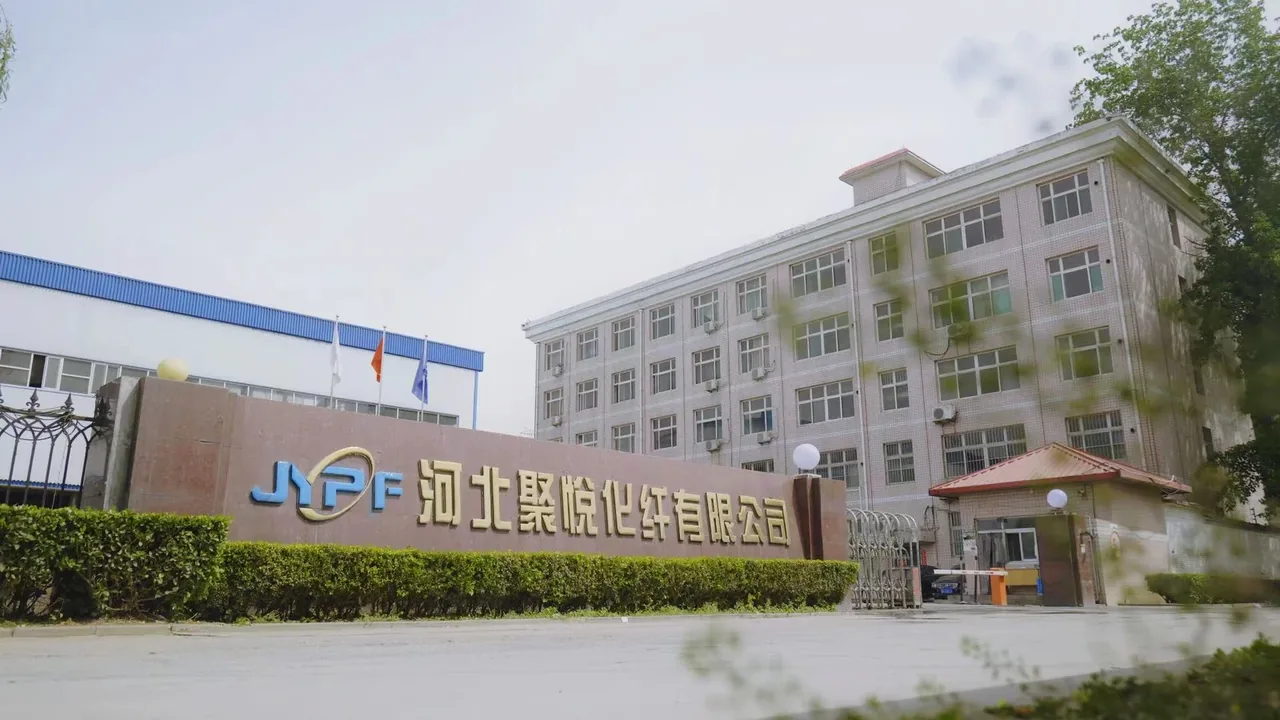
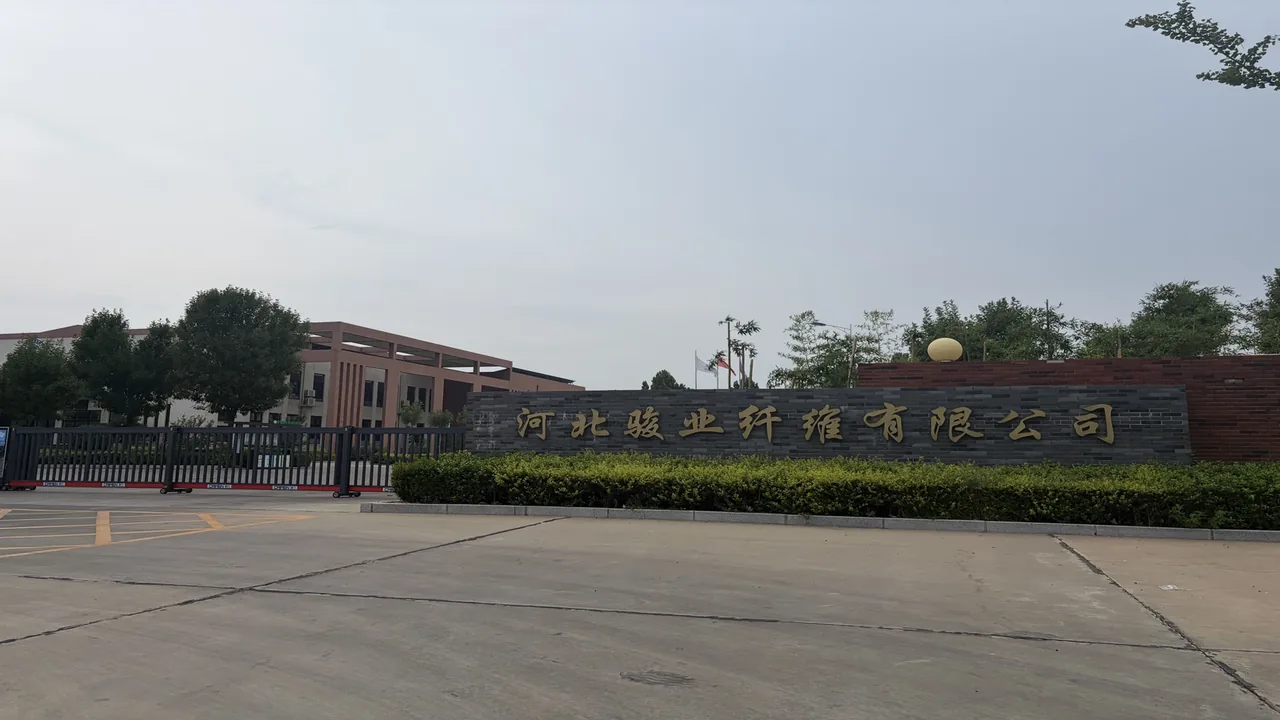
Three company-owned factories
Weihigh's marketing center works with its three factories as one internal supply organization. For an HCS order, the team connects the selected product route, finish, sample and document requirements with the appropriate internal production and quality records. This does not imply that every factory produces every HCS grade.
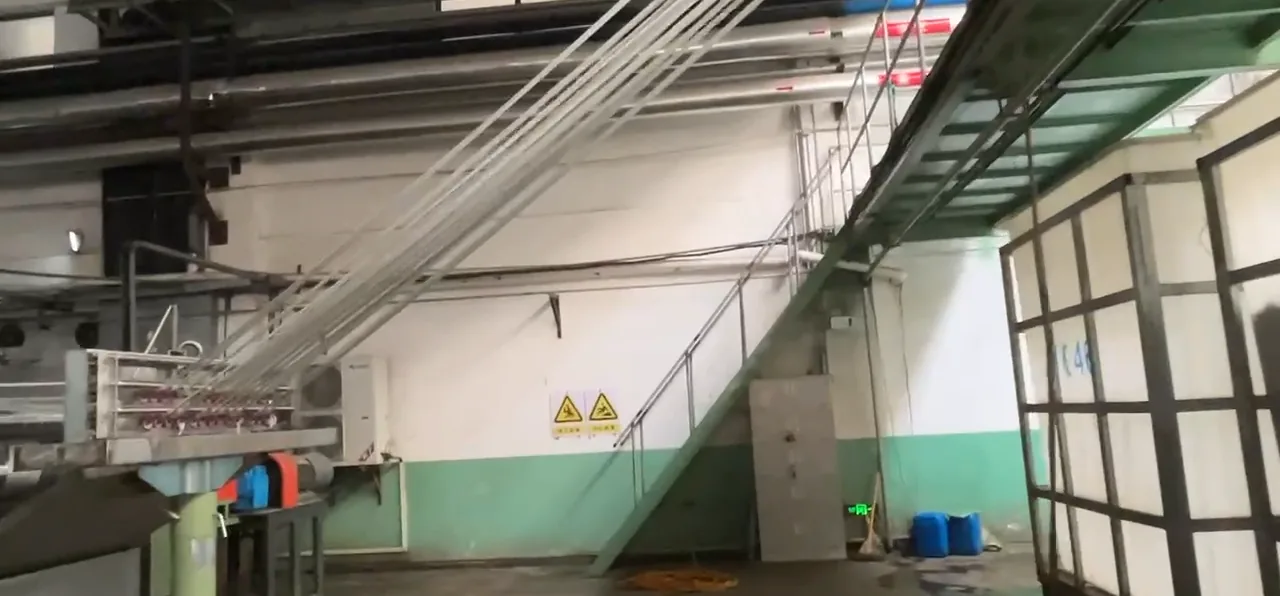
Process and finish control
Filling fibers with siliconized and non-siliconized finishes are handled as separate finished routes, and relevant process information is recorded by batch. The exact route, grade, finish and color still need to be matched to the product and order rather than inferred from a general factory image.
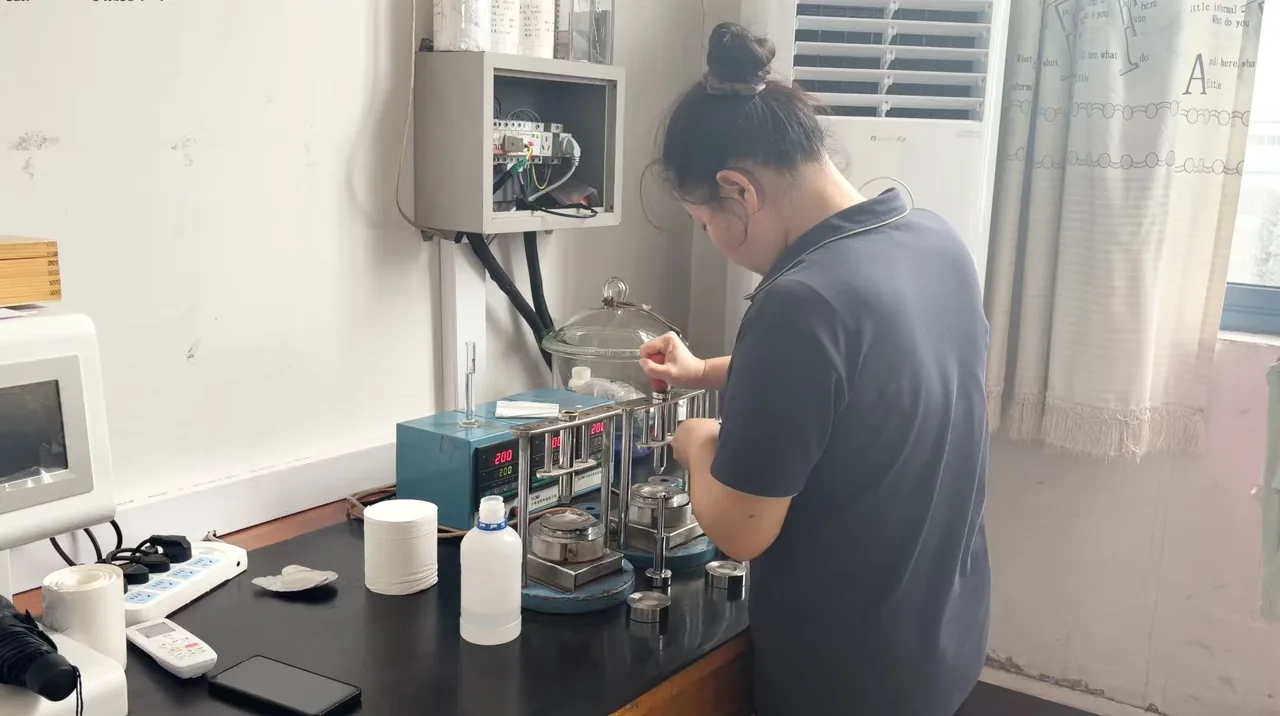
Batch documents, inspection and packing
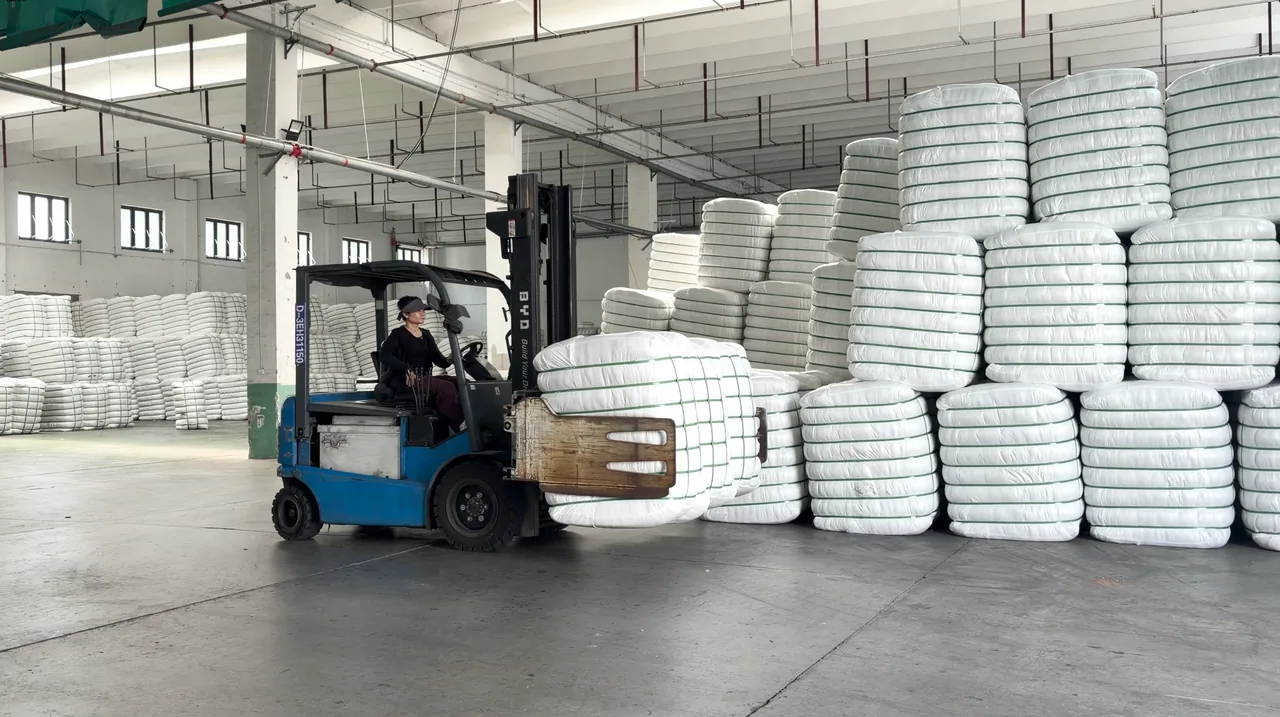
Each batch has a corresponding COA factory inspection report. The ordered grade, batch or bale identity, agreed COA fields and packing request should remain connected from sample review through receiving. Weihigh's general standard compressed-bale policy is approximately 220–300 kg per bale; the actual bale weight and packing are confirmed for the order.
Send the filled-item application, opening and filling process, target hand, loft and support, candidate grade or reference sample, required documents, quantity, packing request and destination. Weihigh can then confirm an available HCS route and the next sample or quotation step.
Confirm HCS Specifications and Project Fit
Start with the filled item and the line that must process it. Weihigh can use those inputs to narrow the current HCS routes, but the selected grade, finish, raw-material route, documents and commercial terms still need confirmation for the actual product and order.
- Keep the strict HCS boundary clear
- Review the current HCS product routes
- Match denier, cut length and finish to the project
- Plan a representative sample sequence
- Align COA, traceability, packing and RFQ inputs
On this page, hollow conjugated siliconized polyester fiber means a three-dimensional crimped polyester staple fiber that combines a hollow structure, conjugated construction and a siliconized surface finish. Non-siliconized hollow conjugated fiber is an adjacent selection route, not another name for strict HCS. Multi-hole, flame-retardant, microfiber and down-like fibers remain separate tasks.
The current family is represented by five core or supporting routes: a 7D × 64 mm siliconized recycled HCS route; a separate 7D HCS pillow-material entry; a 7D × 64 mm regenerated HCS entry; a broader recycled stuffing and filling HCS route; and a page that separates siliconized and non-siliconized hollow-conjugated options. These are qualification routes, not proof that every specification, finish, color and raw-material combination is available.
The recorded Weihigh HCS family spans 3–25D and cut lengths of 32, 38, 51 and 64 mm. Use the filled-item construction, target fill weight, hand, loft and support, opening and filling process, line trouble points, color and raw-material route to narrow the candidates. The family range does not mean that every denier, length and finish combination is available.
Keep the candidate grade and batch identifiable as the project moves from sample to a small trial on the buyer's equipment, pilot and first-production confirmation. Agree on the reference item, line conditions and the observations that decide the next step. Check opening and filling behavior first, then judge the actual filled item for distribution, hand, loft, support and any relevant post-use or post-wash behavior.
Confirm that the current COA identifies the ordered grade and batch and that its fields, units, methods and conditions match the agreed specification. Relevant fields may cover fineness and length, strength and elongation, crimp, oil or silicone, heat shrinkage, appearance and black spots. Include the application, process, candidate grade, finish, color, raw-material route, documents, sample plan, quantity, packing request and destination in the RFQ.
How HCS Supports Filling Production and Finished-Item Targets
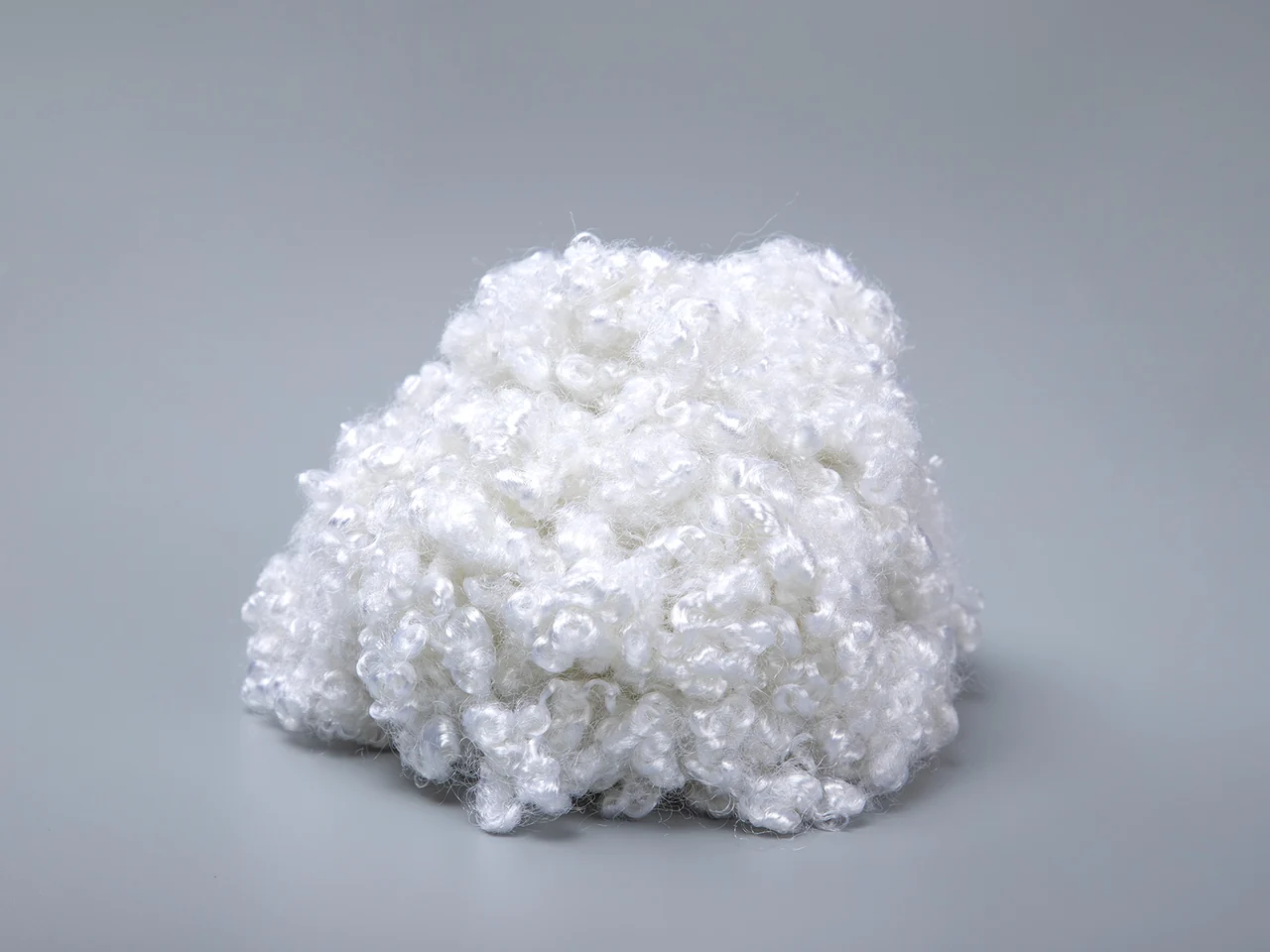
HCS selection connects fiber structure and finish with two separate results: how the material runs through opening and filling, and how the filled item feels and holds its distribution.
Control the opening and filling result
On representative equipment, compare opening completeness, residual clumps, feeding and filling stability, and process fill-weight consistency with an agreed reference. A grade name alone cannot predict how a different line will handle the fiber.
Check the finished item as a separate decision
After the line trial, review material distribution, hand, loft and support in the actual pillow, quilt, furniture component, soft toy or appropriate garment construction. Where the end use requires it, include agreed post-use or post-wash observations for distribution, shape and rebound.
Keep the evidence attached to the order
Use an identifiable sample and batch, record the comparison conditions, and connect the accepted route to the current product specification, COA and packing requirements. This gives production, quality and purchasing teams the same basis for a repeat order or change review.
HCS Sampling and Order Customization
HCS Filling Applications
-
HCS Filling for Pillows and Quilts
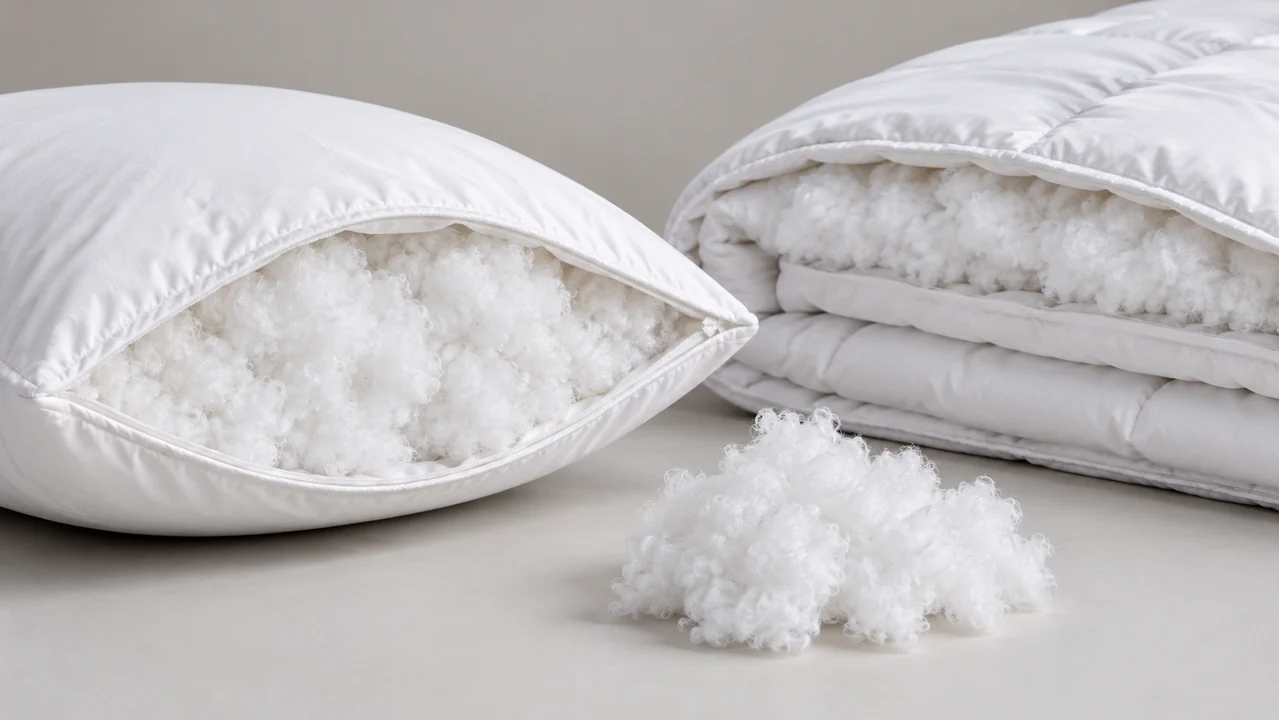
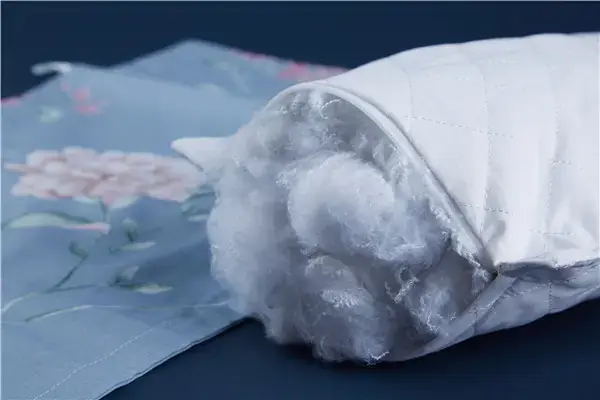
Commercial pillow and quilt teams need more than a soft sample in the hand. Compare opening completeness, residual clumps, feeding and fill-weight stability on the line, then review distribution, hand, loft and support in the finished item. Where washing is part of the use case, include the agreed post-wash distribution and rebound check.
send an immediate inquiry -
HCS Filling for Furniture and Soft Toys
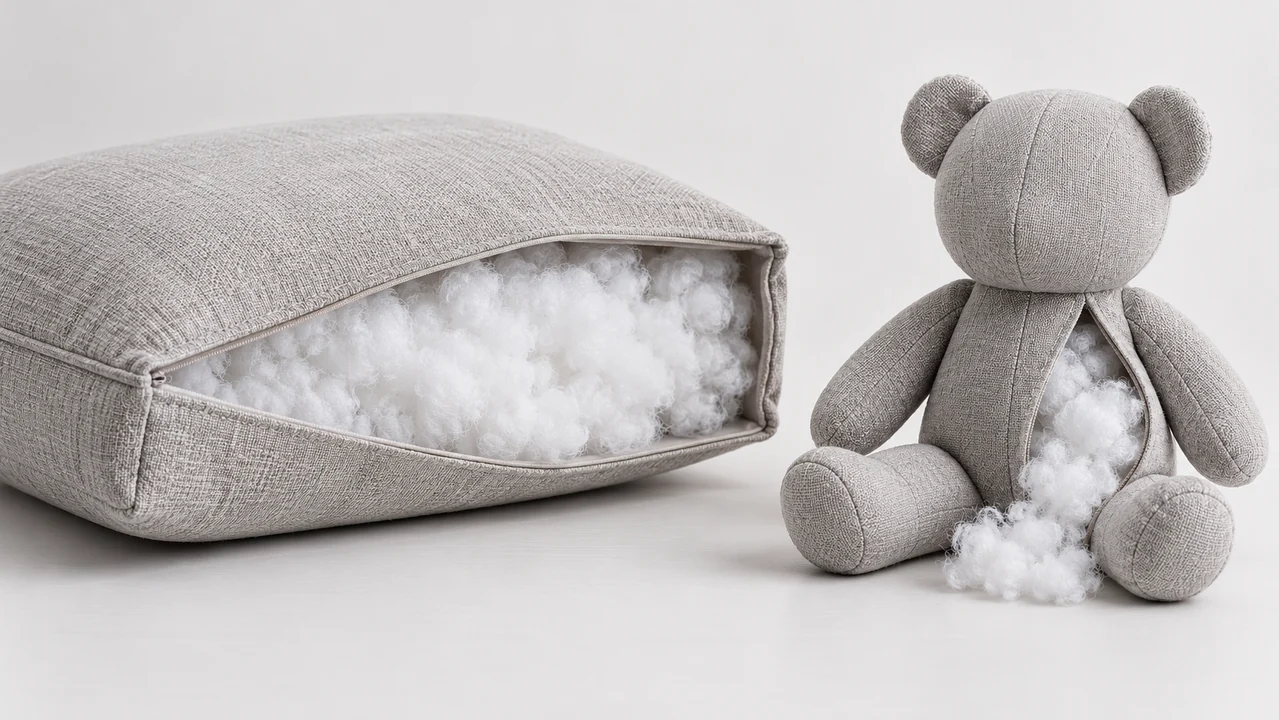
For cushions, sofa components and soft toys, give Weihigh the construction, filling method, target hand and support, reference item and any shape-retention concern. A representative sample should show both whether the fiber feeds and distributes cleanly and whether the finished component holds the intended feel and shape.
send an immediate inquiry -
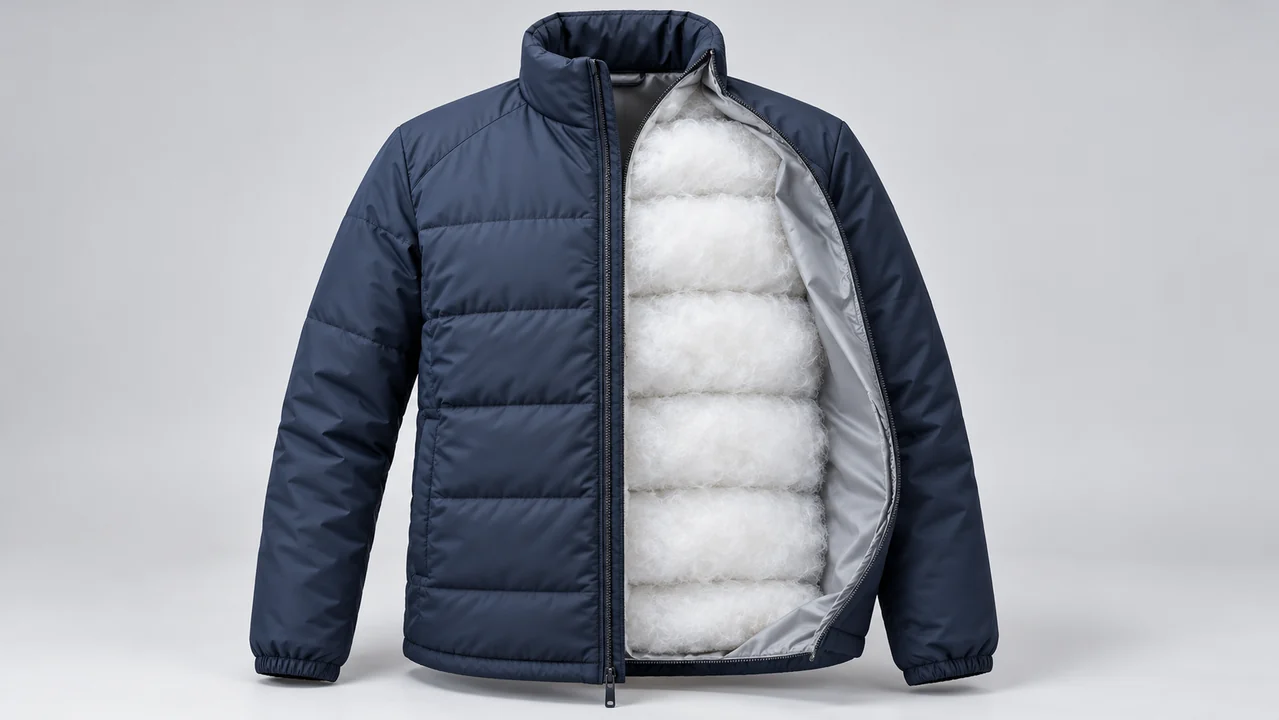
Garment Filling
When HCS is being considered for an appropriate garment filling construction, define the target loft, hand, distribution, support and relevant care observations for the actual item. Confirm the candidate through the intended filling process and garment sample rather than extending a pillow or furniture result to a different construction.
send an immediate inquiry
Why Choose Weihigh for HCS Filling Projects
Weihigh's marketing center coordinates internally with three company-owned factories. For an HCS inquiry, that means the selected product route, finish, sample, order documents and packing request can be connected to the relevant internal production and quality records without presenting the factories as outside partners.
- Project-specific matching: the shortlist begins with the application, opening and filling process, reference item, target hand and support, and required documents.
- Representative validation: sample, small equipment trial, pilot and first-production confirmation keep the material identity and buyer acceptance target visible.
- Batch documentation: each batch has a corresponding COA factory inspection report, and the agreed grade, batch or bale identity can remain linked through receiving and production records.
- Order confirmation: the exact product combination, sample terms, packing, delivery arrangement and other commercial conditions are confirmed for the order.
When an explicitly recycled HCS route is selected, Weihigh can also align the applicable recycled-route records with its company-owned bottle-flake source. That statement applies to the recycled branch only, not to every HCS product.
An HCS project that changed the validation sequence
In one anonymous filling project for pillows, cushions and soft toys, the buyer was dealing with incomplete opening, residual clumps, unstable fill weight, and filling that migrated and collapsed after washing. Weihigh compared the previous material with a project-specific 7D × 64 mm siliconized HCS route, matched the opening amount to the customer's line speed, and prepared opening, filling and washing comparison samples.
The recorded result was smoother opening, residual clumps largely gone, steadier fill weight, improved post-wash distribution and rebound, followed by regular supply. The project shows why line behavior and finished-item behavior should be judged together; a new order still needs its own equipment conditions, reference item and acceptance method.
Who Is Weihigh?
Weihigh supplies polyester staple fiber through a marketing center and three company-owned factories. For HCS filling projects, the team connects the buyer's end-item target and production inputs with an appropriate product route, representative sample plan, per-batch COA, traceability and packing discussion.
Each HCS inquiry is matched to the relevant internal production and quality records for the product and order under review.
Frequently Asked Questions
-
1What HCS product options are available in this category?
The strict HCS family is represented by five current core or supporting Product routes: a specific siliconized 7D × 64 mm recycled grade, a 7D HCS pillow-material entry, a 7D × 64 mm regenerated entry, a broader recycled filling-fiber route with a siliconized branch, and a page separating siliconized from non-siliconized choices. Confirm the exact grade, finish, raw-material route and use on the selected Product and order.
-
2How do I choose between siliconized HCS and non-siliconized hollow conjugated fiber?
Choose from the finished-item target and the way the fiber must open, feed and fill. A siliconized surface can change handling and feel, while a non-siliconized hollow conjugated fiber is an adjacent route rather than strict HCS. Give Weihigh your target softness and support, the actual line conditions and the reference item, then compare available candidates in a representative sample trial.
-
3Which denier and cut length should I evaluate for my filling application?
Weihigh's recorded HCS family spans 3–25D and cut lengths of 32, 38, 51 and 64 mm. Use your end product, target hand feel and support, filling method and equipment to narrow the candidates. The family range does not mean every denier-length-finish combination is available, so confirm the actual combination and sample against the selected Product and order.
-
4What application, filling-equipment, and finished-product details should I provide before selecting an HCS grade?
Provide your filled-item type and construction, target fill weight, hand feel and support, opening and filling equipment or process, feeding method, current line condition and known trouble points. Also state the reference sample and any relevant use or washing checks. These details let Weihigh match an available grade and sample route without assuming a universal machine setting.
-
5How should I test an HCS sample on my opening and filling line before placing a bulk order?
Keep the candidate grade and batch identifiable, then run it on your actual opening and filling equipment under representative conditions. Record opening completeness, residual clumps, feeding and filling stability, and process fill-weight consistency against an agreed reference. Move from a small trial to pilot and first-production confirmation only after both sides agree that the sample and operating conditions represent the planned order.
-
6Which finished-product checks should be included in an HCS sample trial?
Check your filled item separately from line operability. Compare fill-weight consistency, fiber distribution, residual clumps, hand feel, loft and support with the agreed reference. Where relevant to the end use, include the agreed post-use or post-wash observations for distribution, shape and rebound. The buyer's quality or finished-product team should define the method and acceptance record for the actual item.
-
7What should I confirm in the COA and batch-traceability records for an HCS order?
Weihigh provides a corresponding COA factory inspection report with each batch. Confirm that it identifies the ordered grade and batch and that its fields, units, methods and conditions match the agreed specification. Relevant fields may cover fineness and length, strength and elongation, crimp, oil or silicone, heat shrinkage, appearance and black spots. Link the report to the bale or batch number, and request recycled-route records only when that route applies.
-
8What information should I include in an RFQ for hollow conjugated siliconized polyester fiber?
Include your application, finished-item target, opening and filling process, candidate denier and cut length, siliconized finish, color, raw-material route, required documents, sample plan, quantity, packing request and destination. Weihigh's general standard compressed-bale policy is approximately 220–300 kg per bale, while the actual Product, bale weight, sample terms, delivery arrangement and commercial conditions are confirmed for the order.